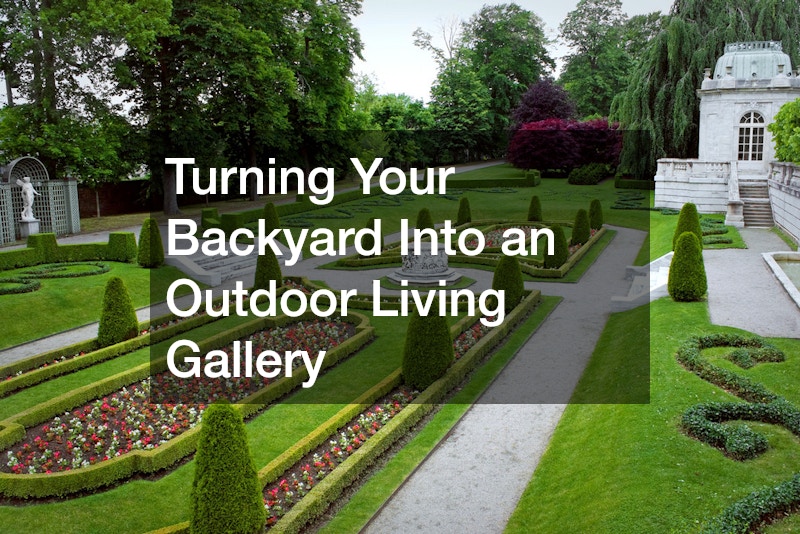
Turning Your Backyard Into an Outdoor Living Gallery
A backyard can be so much more than a patch of grass and a grill—it can function like a living gallery, where design, greenery, and craftsmanship come together to create a space you actually want to spend time in. Many homeowners feel overwhelmed by where to start, unsure how to balance plants, structures, furniture, and lighting into one cohesive look. This guide breaks the process into manageable pieces so you can plan a backyard transformation with confidence, whether you are starting from scratch or refreshing an existing space.
Mapping Out Your Outdoor Space Before You Build Anything
Before buying a single plant or piece of furniture, walk your property and take note of sun exposure, drainage patterns, and how you actually use the space throughout the day. Sketch a rough map of your yard, marking permanent features like fences, trees, and utility lines, since these will influence where structures and garden beds can go. Thinking through traffic flow—how people move from the house to the patio to the garden—will save you from costly redesigns later.
Consider making a simple list of priorities before you commit to any layout. This keeps the project grounded in how you will realistically use the space rather than what looks good in photos alone.
- Note which areas get full sun, partial shade, or deep shade throughout the day
- Identify low spots where water tends to pool after rain
- Mark existing trees, utility access points, and property lines
- Decide whether you want separate zones for dining, lounging, and gardening
Choosing a Cohesive Style for Your Garden Layout
A backyard gallery works best when the plantings, hardscaping, and furniture all speak the same design language. Some homeowners lean toward formal symmetry with clipped hedges, geometric beds, and matched planters flanking a central axis, while others prefer a looser, cottage-style mix of perennials, native grasses, and meandering gravel paths. There’s also room for a modern minimalist approach—think concrete pavers, ornamental grasses, and a restrained palette of two or three plant varieties repeated throughout the space.
Whatever direction you choose, consistency matters more than any single style choice. A rustic sculpture pedestal will feel out of place next to sleek steel planters, just as a manicured boxwood border can clash with a wildflower meadow. Picking one or two materials—weathered wood, corten steel, natural stone—and repeating them across benches, edging, and art plinths ties the space together visually.
Working through a few landscape designs on paper, or with the help of a professional, helps you avoid the common mistake of buying plants and materials piecemeal without a unifying vision. Sketching rough zones for seating, sculpture, and planting beds before you buy anything can save significant money on returns and redos. Many designers also suggest creating a simple mood board with three to five reference images, since it’s much easier to spot a mismatched color scheme or clashing texture on paper than after the concrete has been poured.
It also helps to research plant combinations that thrive in your climate zone before finalizing a plan. A quick look at your USDA hardiness zone, along with your yard’s sun exposure and soil drainage, will narrow the options considerably and save you from costly replacements down the line.
A cohesive palette of three to five recurring plant varieties, repeated throughout the yard, tends to look more polished than a scattered collection of one-off specimens. For example, pairing ornamental grasses with lavender and boxwood creates a calm, gallery-like rhythm, while repeating hostas, ferns, and heucheras suits a shadier, woodland-inspired display.
Think in terms of texture and form as much as color: mix a few upright or spiky plants with rounded shrubs and low, spreading groundcovers so each grouping reads as a balanced composition. Repetition doesn’t mean monotony — vary the placement and grouping sizes across different “exhibit” areas of the yard to keep the eye moving naturally from one vignette to the next.
- Pick a color palette of 2-3 main hues plus one accent, and repeat it across different garden beds so the eye reads the space as one gallery, not scattered exhibits
- Choose a consistent material for pathways, edging, and borders—like brick, gravel, or weathered wood—so the “frame” around your plantings feels unified from front yard to back
- Balance evergreen structure (boxwood, holly, ornamental grasses) with seasonal color from bulbs and annuals for year-round interest, aiming for roughly 60% permanent structure to 40% rotating color
- Avoid mixing too many contrasting styles in one small area—pair a formal boxwood hedge with cottage-style perennials, but skip adding a tropical or desert-style bed nearby
- Repeat a signature plant or shrub at intervals throughout the yard to create rhythm, much like a recurring motif in a curated exhibit
- Test your palette and materials on a small section first, then scale up once you confirm the combination holds together in different light and seasons
Hiring Help for Larger Landscaping Projects

While small garden beds are manageable as a weekend project, larger transformations often benefit from professional landscaping support, especially when grading, irrigation, or retaining walls are involved. A good contractor can spot drainage issues or soil problems before they become expensive headaches, and they often have access to plant stock and materials that are hard to find at a typical garden center. Getting a few quotes and asking to see photos of past projects will help you gauge whether a company’s style matches what you have in mind.
- Ask for references from recent clients with similar-sized yards
- Request a written timeline and maintenance plan before signing a contract
- Confirm who handles permits if structural changes are needed
- Clarify what happens if plants fail within the first growing season
Adding Structure With a Custom Patio or Seating Area
A patio often becomes the anchor of an outdoor gallery, giving you a defined space to place furniture, container plants, and lighting fixtures. Rather than settling for a standard concrete slab, many homeowners are opting for custom patio designs that incorporate curved edges, mixed materials, or built-in seating walls to match the rest of the landscape. This kind of personalization turns a purely functional surface into a design feature that ties the whole yard together.
When planning the layout, think about how the patio will be used across seasons, not just during peak summer months. A well-placed patio can extend outdoor living well into spring and fall if it is positioned to capture afternoon sun or shelter from prevailing winds.
- Consider paver patterns that echo shapes used elsewhere in the yard
- Leave room for a dining set as well as a separate lounge area
- Plan for drainage slope so water moves away from the house
- Think about how the patio connects visually to garden beds nearby
Extending Living Space With a Screened Structure
For homeowners in areas with heavy insect populations or unpredictable weather, screen porch installation can be a game changer, turning an underused corner of the yard into a comfortable retreat almost year-round. A screened structure lets you enjoy fresh air and garden views without battling mosquitoes, pollen, or sudden rain showers. It also creates a natural transition zone between the interior of the home and the more exposed parts of the yard.
Many homeowners choose to position this kind of structure so it overlooks the most visually interesting part of the garden, effectively turning it into a viewing gallery for the landscape beyond. Adding ceiling fans, comfortable seating, and even a small side table can make the space feel like a genuine extension of the home rather than an afterthought.
- Choose screening material rated for durability against sun and weather
- Consider flooring that can handle moisture and foot traffic
- Add lighting for evening use without inviting bugs indoors
- Orient the structure to frame the best garden views
Setting the Mood With Outdoor Lighting
Good lighting can transform a backyard gallery after sunset, highlighting focal points like specimen trees, water features, or sculptural plantings. Thoughtfully placed landscape lighting draws the eye toward the features you most want to showcase while keeping walkways safe and visible after dark. Low-voltage LED systems have become popular because they are energy efficient and flexible enough to adjust as your garden matures.
Layering different types of light—path lights, uplights on trees, and softer ambient lighting near seating areas—creates depth rather than one flat wash of brightness. This layered approach is what separates a gallery-like backyard from one that simply has a few floodlights bolted to the house.
- Use uplighting to highlight the texture of trees or large shrubs
- Install path lighting along walkways for safety after dark
- Choose warm-toned bulbs for a more inviting atmosphere
- Consider smart timers or apps to adjust lighting by season
Furnishing the Space With Durable Outdoor Pieces
Furniture is what turns an outdoor gallery from something you look at into something you actually live in. Comfortable outdoor furniture sets designed for your climate—whether that means teak, aluminum, or all-weather wicker—will hold up better over time than pieces meant primarily for indoor use. Investing in a few well-made items tends to be more satisfying long term than filling the space with cheaper pieces that fade or warp within a season or two.
For homeowners who want something with more character, amish furniture has become a popular choice for outdoor spaces because of its solid construction and classic craftsmanship. These pieces often use rot-resistant wood and traditional joinery techniques, making them a durable option for patios, porches, or shaded seating nooks. Choosing furniture with a timeless design also means it will still look appropriate even as the surrounding landscape design evolves.
- Look for weather-resistant finishes and rust-proof hardware
- Choose cushions with removable, washable covers
- Measure your space before buying oversized sectional pieces
- Consider mixing materials, like a wood table with metal chairs, for visual interest
Caring for Mature Trees and Woodland Features

Established trees often serve as the backbone of a backyard gallery, providing shade, structure, and a sense of permanence that new plantings simply cannot match. Regular checkups from local tree companies can catch issues like root rot, pest infestations, or structural weakness before a storm turns a beloved tree into a hazard. Keeping trees healthy also protects the investment you have made in the rest of your landscape, since a falling limb can easily damage patios, furniture, or garden beds below.
For more complex concerns, such as diagnosing disease or planning selective pruning to improve a tree’s shape, a certified arborist service offers a level of expertise that goes beyond basic yard maintenance. An arborist can also advise on which species will thrive in your specific soil and climate if you are looking to add new trees to the design. This kind of professional insight helps ensure your backyard gallery matures gracefully over the years rather than running into avoidable problems.
- Schedule annual inspections for large or aging trees
- Watch for signs of pest damage like unusual leaf drop or bark discoloration
- Prune dead or crossing branches before storm season
- Ask about soil testing if trees seem to be struggling
Bringing Color Indoors and Outdoors With Fresh Flowers
A gallery-worthy backyard does not have to rely solely on permanent plantings; fresh cut flowers can add bursts of seasonal color to outdoor tables, porch rails, or entryway pots. Many local florists now offer same day flower deliveries, which makes it easy to refresh an arrangement right before hosting guests or simply to enjoy a lift in mood on an ordinary afternoon. Rotating fresh blooms throughout the season is a low-commitment way to experiment with color combinations before investing in permanent perennial beds.
Pairing seasonal flowers with your existing garden palette also helps tie indoor and outdoor spaces together, especially if you carry similar colors from porch arrangements into your permanent plantings. This creates a sense of continuity that makes the whole property feel intentionally designed rather than pieced together.
- Choose blooms that complement, rather than clash with, your garden colors
- Use weather-resistant containers for outdoor arrangements
- Refresh porch or table arrangements weekly during peak season
- Consider fragrant varieties near seating areas for a sensory boost
Turning a backyard into an outdoor living gallery is less about any single feature and more about how thoughtfully the pieces work together, from the layout of garden beds to the furniture you choose to sit in each evening. Start with a clear plan, prioritize the elements that will get the most use, and bring in professional help for the projects that benefit from expert hands. With patience and a bit of research, your yard can become a space that feels as curated and inviting as any gallery indoors.